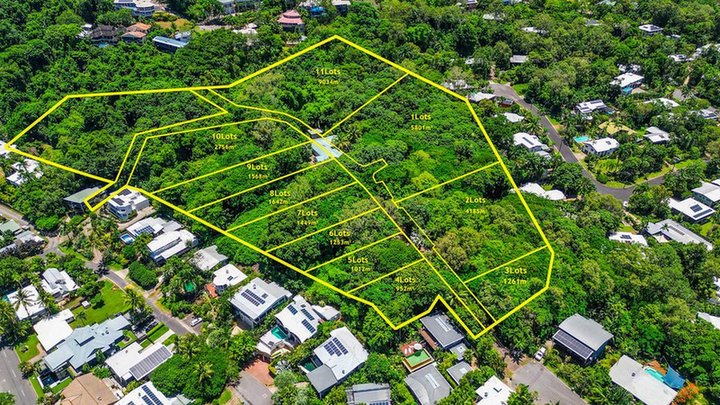
Drone photography has completely transformed how we view the world, delivering breathtaking aerial perspectives that were once unimaginable. With rapid advancements in drone equipment and image editing software, both enthusiasts and professionals are now able to capture sweeping landscapes, intricate architectural lines, and dynamic event scenes from above—unlocking an entirely new visual language.
To make the most of airborne creativity, first focus on the fundamentals of safety and planning. Every flight should begin with a thorough check of your equipment and compliance with local laws. In 2025, regulations have become stricter. Drones over 250 grams must be registered and equipped with Remote ID or country-specific digital tracking. Flying higher than 400 feet, over crowds, or near restricted areas is generally prohibited. Aviators should always fly within their line of sight and avoid risky conditions like bad weather or electromagnetic interference. Responsible flying safeguards not only your gear and images but also public safety and privacy.
Sharp, compelling drone images are only the beginning—true mastery comes with effective post-processing. HDR Blending is a favorite editing workflow for aerial imagery. By capturing multiple exposures at different light levels and blending them, photographers preserve detail in both the brightest skies and deepest shadows—giving landscapes rich contrast and realism. For wide, immersive scenes, panorama stitching lets you merge a sequence of overlapping photos into one seamless composite, expanding the storytelling frame beyond the camera’s constraints.
Sometimes, distractions from unwanted objects or people may diminish the impact of an otherwise stunning aerial shot. This is where modern background removal tools shine. Using advanced AI, editors can erase these elements while preserving the natural look of fields, rooftops, or cityscapes—resulting in clean, focused compositions ideal for real estate, travel, or commercial projects.
Effective colour management is another essential part of the workflow. Colour correction ensures the blue of the sea, the green of forests, and the golden city lights truly pop, making aerial shots visually captivating and lifelike. With colour grading, editors can even impart unique moods or highlight focal points, adding a signature feel to every drone photo.
The evolution of drone photo enhancement tools has also introduced automated options, saving professionals hours of manual adjustments and making high-quality aerial editing available even to those new to image processing. Whether you offer aerial photo services to clients or simply want standout visuals for your portfolio, knowing how to capture safely and edit creatively will set your work apart in the rapidly growing world of drone imagery.
Drone photography is not just about operating a flying camera—it’s about unlocking fresh vantage points, refining your vision with digital tools, and sharing breathtaking perspectives the world has never seen before.
Hashtags:
#DronePhotography #HDRBlending #BackgroundRemoval #PanoramaStitching #AerialImaging